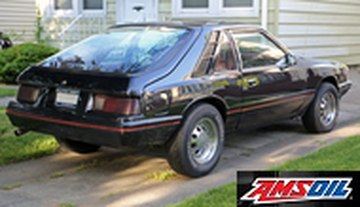
Maintenance Guidance for the 1983 Mercury CAPRI 5.0L
Maintaining an older vehicle requires consistent attention to fluid levels and component health. For the 1983 Mercury CAPRI with the 5.0L engine, following specific guidance regarding cooling systems and lubrication can assist in routine upkeep.
What coolant does my 1983 Mercury CAPRI 5.0L take?
For this vehicle, the following products are listed: ANTPC1G-EA Passenger Car & Light Truck Antifreeze & Coolant and ANT1G-EA Low Toxicity Antifreeze and Engine Coolant.
Engine Oil Lubrication
The lubrication system is a critical component of engine health. For this specific 5.0L application, the database lists 5W-30 as an allowed viscosity. When performing oil service, ensure that any product used aligns with the information provided for your vehicle. Regular monitoring of the oil level via the dipstick can help identify potential consumption or leaks before they lead to mechanical issues.
Cooling System Monitoring
The cooling system manages engine temperature through the circulation of antifreeze and coolant. Beyond selecting a listed coolant, such as ANTPC1G-EA or ANT1G-EA, it is important to inspect the radiator, hoses, and connections for signs of wear or degradation. Maintaining the correct mixture of coolant and water is essential for preventing overheating and managing freeze protection in varying climates.
Fluid Inspection Intervals
To keep the vehicle in proper working order, you should check all vital fluids regularly. While specific mileage intervals are not provided here, it is necessary to follow the manufacturer maintenance schedule or consult the owner's manual for guidance on when to perform oil changes and coolant flushes. Frequent visual inspections of the engine bay can reveal small leaks from gaskets or seals that might otherwise go unnoticed.
Managing Engine Oil Contaminants
Over time, engine oil can become contaminated with combustion byproducts, moisture, or microscopic debris. This contamination can affect the lubricating properties of the fluid. Using a listed viscosity like 5W-30 and adhering to the service intervals found in your owner's manual helps ensure that the oil continues to perform its role in reducing friction between moving engine parts.
System Integrity and Leaks
For an auto-and-light-truck vehicle of this age, checking for leaks is a fundamental part of maintenance. This includes looking for signs of oil weeping around the valve covers or coolant seeping from hose clamps. Identifying these issues early can prevent more significant fluid loss, which could impact the cooling system's ability to regulate temperature or the engine's ability to maintain proper lubrication.
When should I change the oil in my 1983 Mercury CAPRI 5.0L?
To determine the correct oil change interval for this vehicle, follow the owner's manual or the manufacturer maintenance schedule.
What oil does my 1983 Mercury CAPRI 5.0L take?
The following oils are listed for this vehicle:
- ASLQT-EA — Signature Series 5W-30 Synthetic Motor Oil
- XLFQT-EA — XL 5W-30 Synthetic Motor Oil
- OEFQT-EA — OE 5W-30 Synthetic Motor Oil
What oil filter does my 1983 Mercury CAPRI 5.0L need?
The following oil filters are listed for this vehicle:
- EAO15-EA — AMSOIL Ea Oil Filters
- 51515-EA — WIX Oil Filter
What transmission fluid does my 1983 Mercury CAPRI 5.0L take?
The following fluids are listed for this vehicle:
- ATFPK-EA — Signature Series Multi-Vehicle Synthetic Automatic Transmission Fluid
- OTFQT-EA — OE Multi-Vehicle Synthetic Automatic Transmission Fluid
- ATD1G-EA — Torque-Drive® Synthetic Automatic Transmission Fluid
What differential or gear oil does my 1983 Mercury CAPRI 5.0L take?
The following gear oils are listed for this vehicle:
- SEVERE GEAR® 80W-90 (AGLPK-EA)
- SEVERE GEAR® 75W-90 (SVGPK-EA)
- SEVERE GEAR® 75W-110 (SVTPK-EA)
BUYING ENGINE OIL
When you are ready to purchase lubrication for your vehicle, look for products that list the 5W-30 viscosity as allowed for your specific application. Always verify that the product packaging corresponds with the requirements of your engine and consult your owner's manual to ensure you are selecting a product that aligns with the manufacturer's original maintenance guidance.